
Updates from the Centers for Disease Control and Prevention (CDC).
Vaccination Recommendations
With the new H1N1 virus continuing to cause illness, hospitalizations and deaths in the US during the normally flu-free summer months and some uncertainty and about what the upcoming flu season might bring, CDC's Advisory Committee on Immunization Practices has taken an important step in preparations for a voluntary novel H1N1 vaccination effort to counter a possibly severe upcoming flu season. On July 29, ACIP met to consider who should receive novel H1N1 vaccine when it becomes available.
U.S. Situation Update

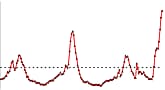
U.S. Patient Visits Reported for Influenza-like Illness (ILI)
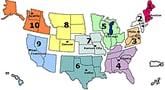
U.S. Influenza-like Illness (ILI) Reported by Regions
| Reporting States and Territories* | Hospitalized Cases | Deaths | |
|---|---|---|---|
| 47 | 5,514 | 353 | |
| *Includes the District of Columbia, American Samoa, Guam, Puerto Rico and the U.S. Virgin Islands. The number of hospitalized novel H1N1 cases and deaths presented in this table are an aggregate of reports received by CDC from U.S. states and territories and will be updated weekly each Friday at 11am. For state level information, refer to state health departments. CDC discontinued reporting of individual confirmed and probable cases of novel H1N1 infection on July 24, 2009. CDC will report the total number of hospitalizations and deaths weekly, and continue to use its traditional surveillance systems to track the progress of the novel H1N1 flu outbreak. International Human Cases of H1N1 Flu Infection | |||
For more information about the U.S. situation, see the CDC H1N1 Flu website.
International Situation Update
 This situation report provides an update of the international situation as of July 28, 2009. As of July 27, WHO regions have reported 134,503 laboratory-confirmed cases of novel influenza A (H1N1) and 816 deaths. The lab-confirmed cases represent an underestimation of total cases in the world as many countries have shifted to strategies of clinical confirmation and prioritization of laboratory testing for only persons with severe illness and/or high risk conditions. Currently, the novel influenza A (H1N1) virus is the dominant influenza virus in circulation in New Zealand, Australia, Chile, Argentina and Brazil. Influenza viruses currently being detected in England and Canada are almost exclusively novel Influenza A (H1N1). Following a seasonal influenza season that was dominated by influenza A (H3N2) virus circulation, South Africa is now detecting novel influenza A (H1N1) through its routine surveillance system. However, currently influenza A (H3N2) remains the dominant virus in circulation in South Africa. Many seasonal influenza viruses from these countries have not been subtyped. Of those that have been subtyped in Australia, South Africa, and Argentina, the majority are influenza A (H3N2) viruses.This situation report provides an update of the international situation as of July 28, 2009. As of July 27, WHO regions have reported 134,503 laboratory-confirmed cases of novel influenza A (H1N1) and 816 deaths. The lab-confirmed cases represent an underestimation of total cases in the world as many countries have shifted to strategies of clinical confirmation and prioritization of laboratory testing for only persons with severe illness and/or high risk conditions. Currently, the novel influenza A (H1N1) virus is the dominant influenza virus in circulation in New Zealand, Australia, Chile, Argentina and Brazil. Influenza viruses currently being detected in England and Canada are almost exclusively novel Influenza A (H1N1). Following a seasonal influenza season that was dominated by influenza A (H3N2) virus circulation, South Africa is now detecting novel influenza A (H1N1) through its routine surveillance system. However, currently influenza A (H3N2) remains the dominant virus in circulation in South Africa. Many seasonal influenza viruses from these countries have not been subtyped. Of those that have been subtyped in Australia, South Africa, and Argentina, the majority are influenza A (H3N2) viruses.


No comments:
Post a Comment